
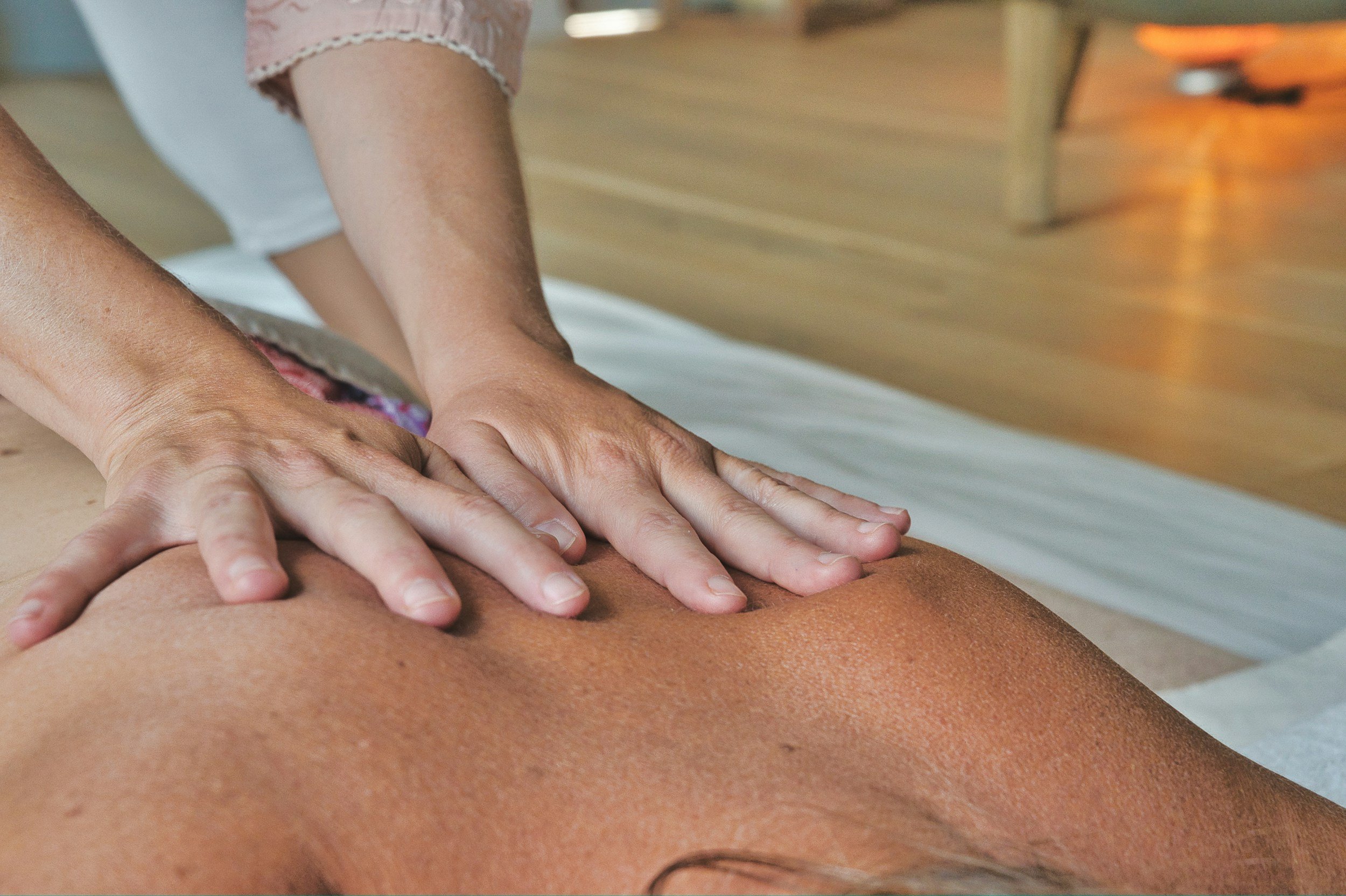


Myofascial Release & Craniosacral Therapy in Des Moines, Iowa
Trauma-Informed Bodywork for Pain Relief, Emotional Release & Nervous System Healing
Myofascial Release Therapy and Craniosacral Therapy are gentle, hands-on treatment approaches that help relieve chronic pain, restore movement, and support the release of trauma stored in the body.
These specialized therapies work with the body’s connective tissue and nervous system and are usually covered by insurance.

Frequently Asked Questions
-
Myofascial Release Therapy (MFR) is a specialized form of manual therapy that focuses on releasing restrictions in the fascia—the connective tissue that surrounds muscles, joints, nerves, and organs.
Unlike traditional massage, Myofascial Release uses:
Gentle, sustained pressure
No oils or lotions
Slow, intentional holds
A whole-body, trauma-informed approach
This allows the tissue to soften gradually and supports long-lasting relief rather than temporary relaxation.
-
Fascia is a continuous, web-like system that runs throughout the entire body—similar to a three-dimensional spider web. Because fascia connects everything, restrictions in one area can contribute to pain, tension, or dysfunction elsewhere.
Clinical experience shows fascia is highly responsive to:
Physical injury or accidents
Chronic stress
Surgical procedures
Inflammation
Emotional or psychological trauma
-
Trauma does not only affect the mind—it can also create protective patterns in the body. When the nervous system perceives threat, muscles and fascia may tighten as a survival response.
Over time, these patterns can become chronic and contribute to:
Ongoing pain without clear imaging findings
Muscle tightness or stiffness
Headaches, jaw pain, or pelvic tension
Anxiety or nervous system dysregulation
A feeling of being “stuck” emotionally or physically
Trauma-informed bodywork helps the body feel safe enough to release these patterns naturally.
-
Myofascial Release works slowly and gently, allowing the nervous system to stay regulated during treatment. As fascial restrictions soften, clients may experience both physical and emotional shifts.
Possible responses include:
Decreased pain or pressure
Improved mobility
Deep relaxation
Emotional release such as tears, memories, or a sense of relief
These responses are not forced—they occur organically as the body lets go of long-held tension.
-
Craniosacral Therapy is a gentle hands-on technique that focuses on the tissues surrounding the brain, spinal cord, and central nervous system.
Using light touch, the therapist supports balance within the nervous system, which can be especially beneficial for individuals with:
Trauma or PTSD symptoms
Anxiety or chronic stress
Headaches or migraines
Sleep disturbances
Sensory sensitivity
When combined with Myofascial Release, Craniosacral Therapy enhances emotional regulation and promotes a deeper sense of safety.
-
Yes! Yes. Myofascial Release and Craniosacral Therapy are considered specialized forms of therapeutic massage and manual therapy, though they differ significantly from relaxation massage.
Key differences include:
Focus on fascia and nervous system
Sustained pressure rather than repetitive strokes
Trauma-informed pacing
Clinical, therapeutic goals insurance covers!
-
A typical session includes:
Comprehensive intake and goal setting
Postural and movement assessment
Gentle hands-on treatment
Ongoing communication for comfort and consent
Optional self-care or movement recommendations
Sessions are collaborative, client-centered, and adapted to individual needs. Clients decide if they’d like music or silence, essential oils, dim or bright lighting.
-
Trauma-informed therapy prioritizes:
Safety
Choice
Trust
Respect for the body’s timing
Rather than forcing change, Myofascial Release and Craniosacral Therapy support healing at a pace the nervous system can tolerate—leading to more sustainable outcomes.
-
These services are ideal for individuals in the Des Moines and Central Iowa area experiencing:
Chronic or unexplained pain
Trauma or stress-related symptoms
Post-surgical restrictions
Head, neck, or jaw pain
Anxiety held in the body
Limited mobility or stiffness
-
In most cases, YES! Myofascial Release and Craniosacral Therapy are often covered by insurance when provided by licensed physical therapists, occupational therapists, or massage therapists.
Self-pay options are also available. Our office can help verify benefits.